Pool safety starts with installing the right protective barrier around your swimming area, and fence height plays a major role in preventing accidents and unauthorized access. For homeowners across Georgia and Metro Atlanta, understanding the ideal pool fence height is essential to meet safety standards, protect children and pets, and comply with local regulations. Whether you are planning a new pool installation or upgrading an existing enclosure, choosing the proper fence height can improve security, support insurance requirements, and enhance the overall appearance of your outdoor space. This guide explains pool fence height recommendations, Georgia regulations, and the key factors homeowners should consider before installing a pool safety fence.
Standard Pool Fence Height Requirements
The Consumer Product Safety Commission establishes baseline pool fence requirements that serve as the foundation for state and local regulations nationwide. Under federal guidelines, pool barriers must be at least four feet (48 inches) high, measured from the finished grade on the exterior side of the fence away from the pool.
However, many safety organizations and modern building codes recommend a pool safety fence height of 60 inches (5 feet) to maximize protection against climbing. This recommendation reflects growing awareness that taller barriers significantly reduce small children’s ability to scale the fence and access the pool area.
In Georgia, state code mandates a barrier height of at least 48 inches from the ground on the side facing away from the pool. Certain states require residential pool safety fences to be at least 60 inches high per local regulations.
Local jurisdictions within Metro Atlanta often impose stricter requirements than the state minimum. Cherokee County requires pool fence barriers with a minimum height of five feet, with gates featuring latches out of reach of children or at least five feet off the ground. Sandy Springs and Fulton County enforce the 48-inch rule but are meticulous about measurements, particularly where terrain changes affect effective barrier height.
How Fence Height is Measured
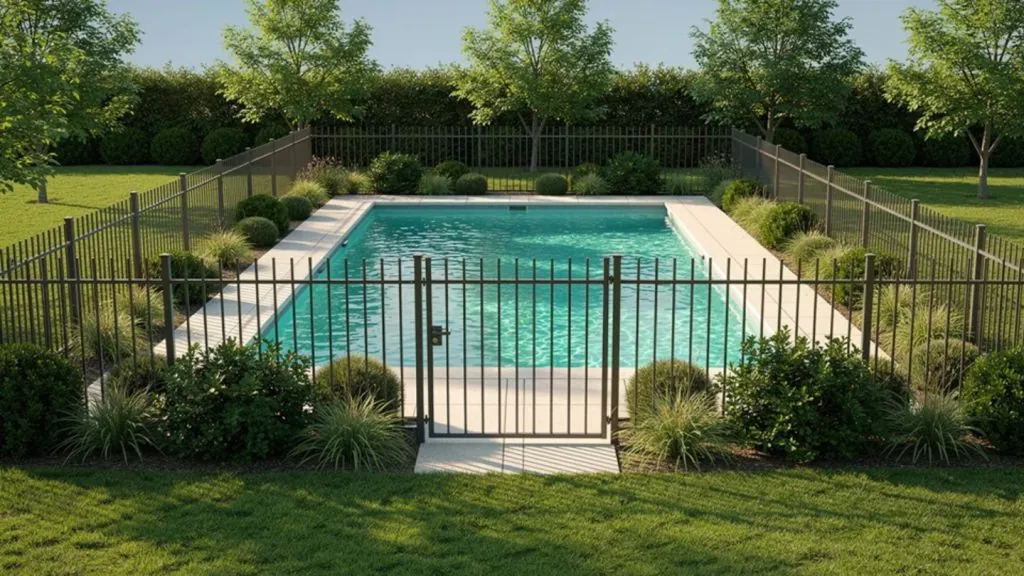
Proper measurement is a critical factor in code compliance that many residential pool owners overlook. Pool fence height must be measured from the finished exterior ground (non-pool side) to the top of the barrier. If your property has sloping terrain, the highest grade point on that side determines the measurement.
The gap between the bottom of a pool safety fence and the finished ground should not exceed 4 inches to prevent small children from crawling underneath. For softer surfaces like grass or soil that may settle over time, many jurisdictions limit this gap to just 2 inches.
Gates must be at least as tall as the fence panels. Mismatched gate heights frequently cause inspection failures and require costly corrections. When gates sit on elevated decks or platforms, codes often still require the fence height to be measured from the exterior grade level.
Factors That Determine Optimal Pool Fence Height
Selecting the best pool fence height involves balancing local building codes, insurance requirements, family safety needs, and material capabilities. Understanding these factors helps you make an informed decision that exceeds minimum standards. Working with the best fence manufacturers can also help homeowners choose the right height, material, and gate design for their pool area.
Local Building Codes and Permit Requirements
In the Metro Atlanta area, specific regulations vary by county and city. While the Georgia state code requires 48 inches, local authorities may mandate taller fences. Before installing, verify compliance with your local jurisdiction’s pool safety fence regulations, as failure to comply can result in substantial fines, legal penalties, and civil lawsuits in the event of an accident.
Insurance Policy Specifications
Homeowners insurance providers often require a pool fence to be at least 54 inches or 60 inches high to provide coverage. Installing a fence that meets only minimum state requirements may leave you underinsured or facing higher premiums. Contact your insurance provider to confirm their specific height requirements before installation.
Family Safety Based on Children’s Ages
Young children ages 1-4 face the highest drowning risk and can develop climbing abilities that challenge shorter barriers. A fence height of five feet adds a significant margin against a young child’s attempts to climb over. Pools must have barriers that prevent climbable features, such as horizontal crossbars, from being placed on the pool side of the fence.
Material Capabilities and Structural Support
Different fencing materials support different maximum heights. Aluminum is lightweight, low-maintenance, strong, and rust-resistant, making it an excellent choice for pool fencing. Steel fencing allows for rigid uprights, narrow picket spacing, and strong post anchoring capable of supporting fences taller than minimums without sag or flex. As height increases, wind loads grow, requiring deeper footings and stronger brackets. Homeowners comparing long-term fencing options may also consider why many prefer wrought iron fencing for its durability, appearance, and security.
Common Pool Fence Height Mistakes to Avoid
Installing at Minimum Height Without Checking Local Amendments
Many homeowners assume the 48-inch state minimum applies everywhere. Local authorities have the right to issue citations and demand immediate corrective action if a pool fence is found to be non-compliant. Always verify specific regulations with your county or city building department.
Incorrect Measurement Leading to Code Violations
Measuring from the pool side or deck level rather than the exterior finished grade is the most common inspection failure. Ensure your contractor measures from the correct reference point, accounting for any slope or terrain variations.
Choosing Height Based on Cost Rather Than Safety
While shorter fences cost less initially, non-compliance can result in hefty fines, required modifications, and legal liability. Building to the minimum code leaves no margin for future landscaping changes or soil settling, which could reduce the effective height.
Ignoring Gate Latch Height Requirements
The latch release mechanism for pool safety gates must be positioned at least 54 inches above the ground to prevent young children from reaching it. This requirement applies regardless of fence height and is frequently overlooked during installation.
Benefits of Choosing the Right Pool Fence Height
Enhanced Safety Protection
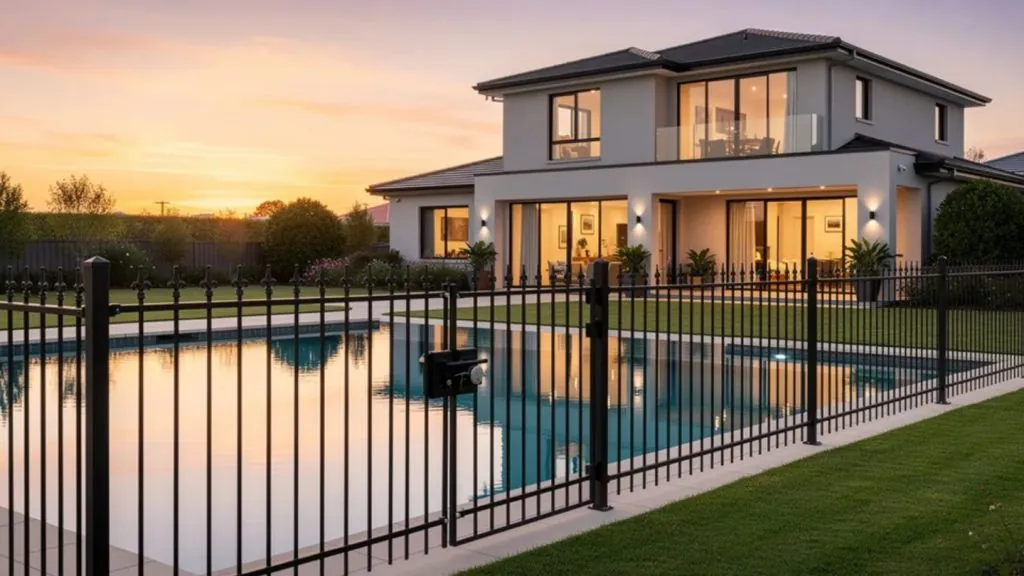
A properly sized pool barrier creates a physical barrier that prevents children and pets from unsupervised access to the pool. Vertical openings in a pool safety fence should be small enough that a child cannot squeeze through them; typically, less than four inches. Combined with appropriate height, this prevents accidents and gives families peace of mind.
Legal Compliance and Reduced Liability
Compliance with pool safety fence regulations is not only a legal obligation but also a moral one, as it helps prevent tragedies and protects public safety. Meeting or exceeding local requirements protects you from legal penalties and demonstrates responsible pool ownership.
Insurance Benefits
Proper pool barriers can reduce insurance premiums and ensure full coverage in the event of an incident. Some carriers offer better rates for safety features that exceed minimum requirements, particularly fences that are 5 feet or taller and self-closing, self-latching gates.
Property Value Enhancement
Well-designed pool fencing that balances visibility, safety, and aesthetics adds marketable value to your property. Steel and aluminum fences at proper heights are often perceived as premium features by potential buyers.
Wildlife and Debris Prevention
Ensuring that a pool is properly enclosed helps keep out wildlife and prevents unwanted debris from entering the water, contributing to overall safety and cleanliness. Taller fences provide additional screening while remaining code-compliant.
Final Thoughts
Choosing the right pool fence height is one of the most important steps in creating a safer swimming environment for your family and guests. From meeting Georgia building codes and insurance requirements to improving child safety and preventing unauthorized access, a properly installed pool fence provides long-term protection, security, and peace of mind for residential pool owners.
At Georgia Gate and Fence, we specialize in designing and installing durable, code-compliant pool fences in Cumming that enhance both safety and curb appeal. Our team works closely with homeowners throughout Metro Atlanta to deliver customized fencing solutions built with quality materials, professional craftsmanship, and reliable safety features. Contact us today to secure your pool area with a professionally installed fence solution.
Frequently asked questions
Georgia state code requires pool barriers to be at least 48 inches (four feet) high, measured from the exterior ground level. However, several Metro Atlanta counties like Cherokee require five feet. Always verify with local authorities before installation to ensure compliance with specific regulations in your area.
Above-ground pool walls can be part of the barrier if they meet the height requirements. However, any access points, such as ladders or decks, require additional fencing. The barrier height requirements apply to any point where someone could access the pool from ground level.
The latch release mechanism must be at least 54 inches above the ground, regardless of fence height. This means on a 4-foot fence, the latch will be positioned above the top rail. Gates must also be self-closing and feature self-latching mechanisms that engage automatically.