Matching an existing ornamental fence is a measuring and fabrication problem, not a vague promise that new steel will disappear into the old line. When a section fails, a gate opening changes, or a homeowner extends a run from the 1990s, we copy picket centers, rail heights, rings, posts, and finish intent so the new work does not advertise itself as a patch.
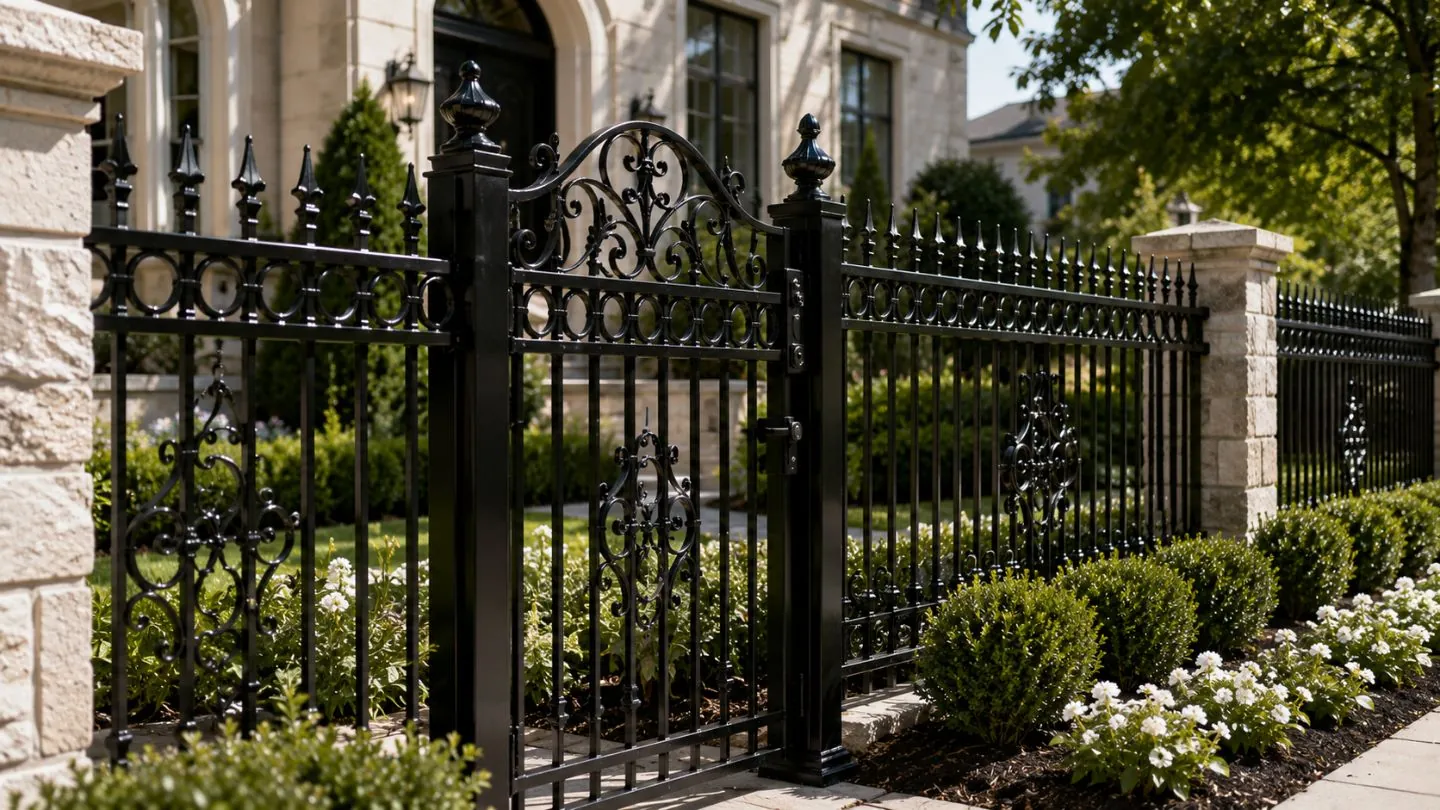
How we match existing ornamental fence
We start on site with a tape, photos, and notes - not a catalog page. Record picket width and wall, center-to-center spacing, top and bottom rail heights, any mid-rail, ring or scroll diameter, post tube size, cap style, and how panels mount to posts. Grade changes and gate openings get their own measurements. Those numbers drive the shop ticket and the CAD drawings when the run is long or HOA-reviewed.
If the old fence is true wrought iron, say so early. Most residential lines we replace or extend are ornamental steel with a wrought-iron look. Product context lives under ornamental fencing.
Pickets, posts, and rings
Picket spacing is the first thing the eye checks at a splice. A half-inch miss reads as a different fence. Posts must match size and cap language or the rhythm breaks every eight feet. Rings and spears are not decoration to “approximate” - diameter, placement on the picket, and weld orientation all matter. When we fabricate signature lines such as The Georgian or The Athens, those motifs stay consistent across phases for the same reason.
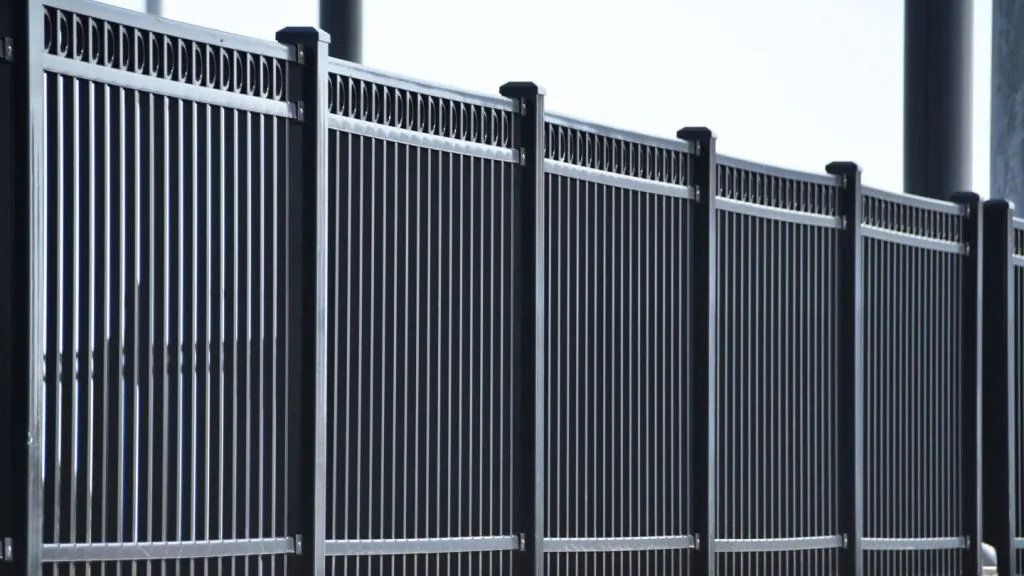
Weld quality you can see after coating
Powder coat follows surface prep. Spatter, uneven fillets, and unground transitions show as lumps or thin spots. Good detailing means consistent welds, cleaned joints, and panels that hang plumb so reveal lines stay even. That is shop discipline, not marketing language.
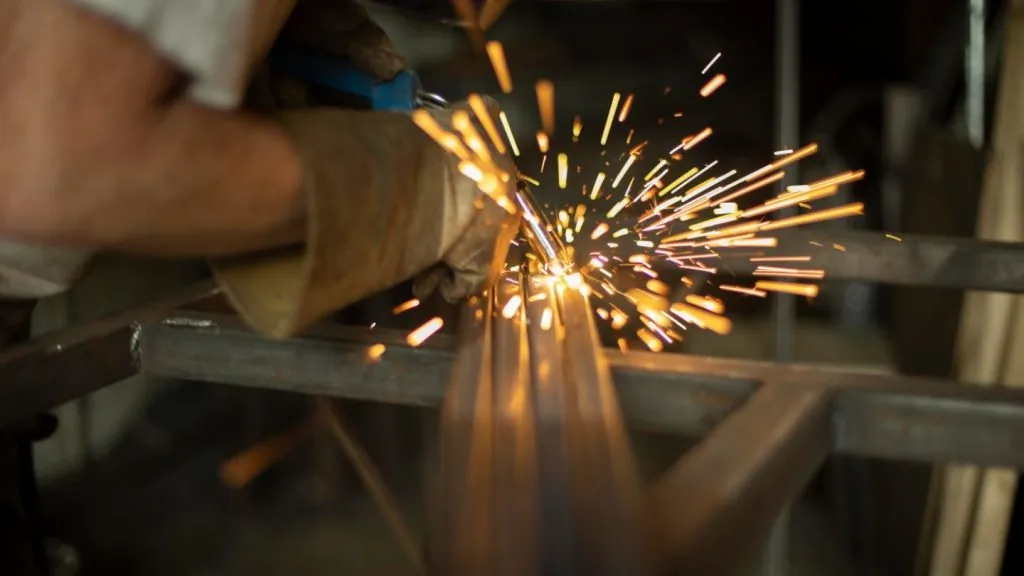
Finish: match intent, not a miracle patina
New powder coat will look fresher than twenty-year-old coating beside it. Options are honest: coat only the new work and accept a visible age break, refinish a larger run so color unifies, or plan a full line refresh. Color chips under warehouse light lie; check samples outside. Our finish guide covers system choices. Climate context for Georgia sits in fence materials for Georgia’s climate.
Install alignment is part of detailing
Even perfect panels look wrong if posts step in height, rails dogleg at transitions, or gate gaps wander. Install crews set the visual line: consistent reveal under the bottom rail, even post spacing on grade, and hardware that does not fight the leaf. Detailing fails in the field as often as in the booth.
When to call for a match vs a full replacement
Short damaged sections with healthy neighboring panels are good match candidates. Widespread rust-through, leaning posts, or a style you no longer want are better as a planned replacement. Either path starts with measurements and a clear finish plan - then Start Your Project. For why homeowners still choose this look, see ornamental steel fencing for Cumming homes.
Frequently asked questions
Usually yes on spacing, rail heights, and motifs if we measure the surviving sections and fabricate to those numbers. Exact aged patina will not match brand-new powder coat without a full refinish plan.
Picket size and centers, rail profile and heights, rings or scrolls, post size and caps, and weld cleanup before finish. Miss any one and the eye catches the splice.
The same process applies to any ornamental steel line. True hand-forged wrought iron repairs are a different craft; most residential matches we run are steel.