Your electric gate worked perfectly yesterday, but after last night’s thunderstorm, it’s completely unresponsive. If you’re a Cumming homeowner, this scenario is frustratingly familiar. Understanding how Cumming weather affects electric gate functionality is essential for protecting your investment and maintaining reliable home security year-round.
Cumming’s humid subtropical climate creates a perfect storm of challenges for automatic gates. With annual rainfall exceeding 50 inches, summer temperatures regularly pushing into the mid-90s, and humidity levels hovering around 70-75%, your gate’s electrical system faces constant stress that homeowners in drier climates never experience. This complete protection blog covers the specific weather threats your gate faces in Forsyth County and provides actionable strategies to keep your gate operating smoothly through every season.
Understanding Cumming’s Climate Impact on Electric Gates
Cumming sits within Georgia’s humid subtropical climate zone, meaning your gate endures conditions that would challenge even industrial-grade equipment. Summer months bring temperatures averaging 85-95°F, with metal gates and motor housing surfaces easily exceeding 120°F under direct exposure to strong sunlight. This extreme heat causes plastic components to warp, seals to degrade, and motors to work harder than designed.
The 90°F+ summers combined with 85% humidity create the perfect environment for corrosion and electrical damage. When relative humidity stays above 65-70%, metal components begin corroding even without direct water contact. Your gate mechanism’s electronic components, control boards, and wiring insulation all suffer accelerated degradation under these conditions, making understanding how automatic gate systems work essential for long-term performance.
Cumming receives 50 to 56 inches of annual rainfall, significantly more than the national average. This heavy rain doesn’t just test your gate’s weather-resistant components; it saturates the ground around your gate’s foundation, floods underground wiring trenches, and infiltrates motor housing through worn seals. Sliding gates face particular challenges as water pools in tracks, while swing gates may experience foundation settling in saturated soil.
Seasonal temperature swings compound these problems. Winter nights dip near 30-35°F, then summer days spike to 95°F+. This cycling causes metal to expand and contract repeatedly, loosening connections, cracking seals, and stressing hinges and mechanical parts over time.
Georgia’s Unique Weather Challenges for Gate Systems
Beyond typical humidity and rain, several factors make Cumming particularly challenging for automatic gates.
Heavy spring pollen loads from March through May coat everything outdoors. Pollen settles on sensor lenses, clogs tracks, gums up lubrication, and interferes with photocell sensors’ optical clarity. Mixed with moisture, pollen creates a paste-like substance that jams gate mechanism components and requires frequent cleaning.
Cumming experiences frequent severe thunderstorm warnings throughout the year, with many months seeing several significant storms. These storms deliver power surges through electrical lines that can destroy control boards and electronic components in seconds. Lightning-induced surges and the voltage spikes when power returns after outages are particularly damaging.
Though rare, ice storms have struck Forsyth County with notable impact. The winter storm of January 28-30, 2005, coated the Cumming area with ¼ to ½ inch of ice. Such winter storms cause ice buildup that prevents gate movement, freezes moisture in joints and seals, and creates freeze-thaw cycles that crack seals and warp components.
Lake Lanier’s proximity to Cumming creates additional challenges. The lake influences local microclimate, producing morning radiation fog that deposits dew on sensors and electronics. Components experience repeated wet-dry cycling that accelerates corrosion and causes intermittent short circuits.
Specific Weather Threats in Cumming
Understanding how different weather conditions affect electric gates helps you take proactive protective measures.
Summer thunderstorms pose challenges for your gate’s electrical system through power surges and lightning damage. Even short voltage spikes lasting milliseconds can burn out delicate semiconductors on control boards. Motors drawing high current during damp, humid conditions face an amplified risk. Control panels without surge protection frequently fail during storm season.
High humidity promotes corrosion across all metal components, steel, iron, and copper connections all degrade when humidity consistently exceeds 70%. Insulation on wires and protective coatings on control boxes break down. For gate motor units, bearing seals fail, and moisture intrusion washes out lubrication, leading to premature failure.
Heavy spring pollen (March through May) creates visibility problems for infrared beam sensors and physically blocks photocell sensors. Pollen buildup in tracks causes sliding gates to bind, and contaminated lubrication increases friction on hinges and moving parts.
Occasional ice storms cause ice buildup in tracks, preventing movement entirely. Water trapped in hinges and motor housing freezes, expanding and cracking seals. Repeated freeze-thaw cycles cause seal lip degradation and weaken joints on both metal gates and wooden gates.
Hot summer temperatures (June through August) create motor strain as units work harder in high ambient temperatures. Dark metal surfaces absorb solar heat, reaching temperatures that cause thermal stress on nearby plastic components, wiring insulation, and seals. Overheating reduces motor lifespan and can trigger thermal protection shutdowns.
Common Mistakes to Avoid During Weather Events
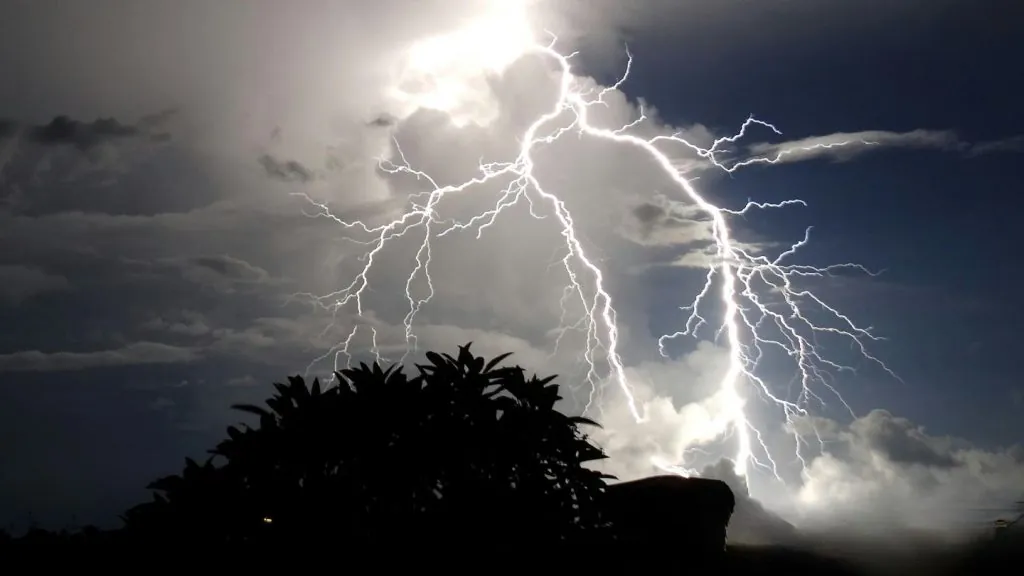
Operating your gate during active thunderstorm warnings dramatically increases the risk of electrical damage from power surges. The safest approach is switching to manual mode until the storm passes.
Ignoring water pooling around underground motor housing after heavy rain allows moisture to infiltrate seals and electrical connections. Even brief standing water can enter conduits and cause short circuits along cable jackets.
Failing to clear pollen buildup during peak allergy season lets contamination compound. What starts as reduced sensor sensitivity becomes complete photocell failure or jammed tracks requiring expensive repairs.
Using inappropriate lubricants attracts more dirt in humid conditions. Petroleum-based greases wash away and collect debris. Choose silicone-based or synthetic sealed lubricants designed for outdoor marine-grade applications.
Not securing gates properly before predicted severe weather allows high winds to stress motors and hinges. Strong winds can force gates beyond their normal range of motion, causing incorrect alignment and damaging limit switches.
Protecting Your Gate from Cumming Weather
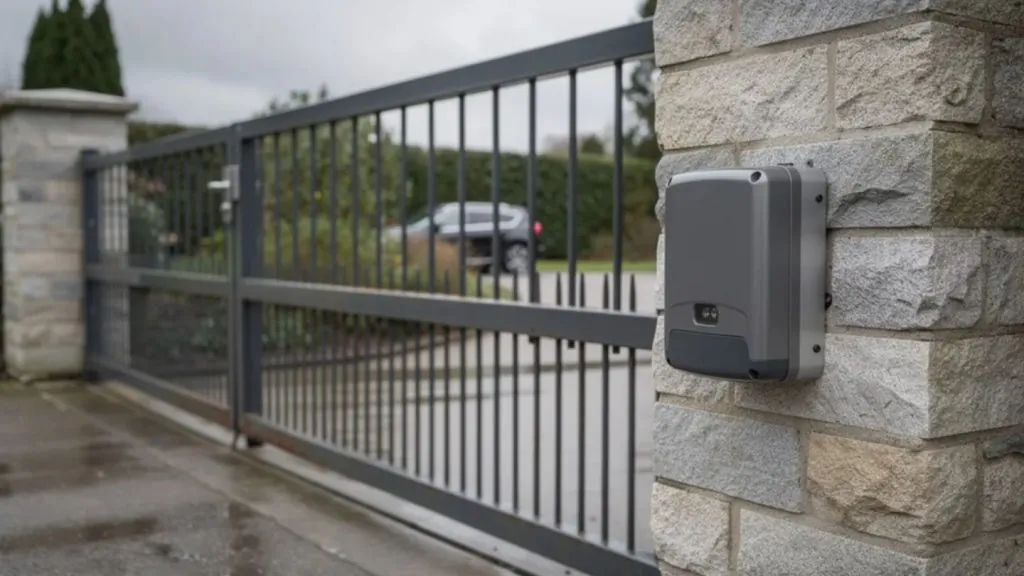
Install surge protectors rated for North Georgia’s lightning activity. Use Type 1 or Type 2 surge protection devices rated for at least 20 kA at the control board and service entrance. Ensure low-impedance grounding with properly bonded ground rods, poor grounding undermines all surge protection efforts.
Choose moisture-resistant control panels designed for humid climates. Look for IP66-rated enclosures rather than the IP54 rating common on standard equipment. Weatherproof gaskets, elevated mounting above ground level, and sloped covers that shed water prevent moisture intrusion during heavy rainfall.
Implement proper drainage around gate foundations for heavy rain events. Install French drains, gravel beds around motor bases, and ensure proper ground slope away from the gate’s foundation. Standing water around foundations causes settling, misalignment, and electrical shorts in underground wiring.
Use weather-resistant sensors that handle morning fog from Lake Lanier. Fog-resistant photocell sensors with sealed lenses and IP-rated connectors maintain consistent performance despite moisture. Regular cleaning of sensor lenses during high-humidity months prevents false triggers and failures.
Schedule maintenance before storm season, which runs from March through October in Cumming. Professional inspection in February or March ensures seals, drainage, motors, and safety features are ready for the demanding months ahead, reinforcing why automatic gates are a smart move in Georgia for reliable property protection. Follow-up inspection in November addresses any wear from the storm season.
Select appropriate gate materials for Georgia’s temperature extremes. Aluminum resists rust but may warp under extreme heat; steel offers strength but requires quality coatings to prevent corrosion. Composite materials often handle humidity better than wooden gates. All materials require appropriate sealants and coatings for long-term performance.
Consider a battery backup system for power outages during severe storms. Battery power keeps your gate functional when the grid fails, maintaining both security and convenience. Ensure the battery system is also protected from moisture and temperature extremes.
Ensure Reliable Performance in Every Season
Cumming’s changing weather conditions, from humidity and heavy rainfall to temperature fluctuations, can significantly impact electric gate functionality. Proper installation, weather-resistant components, and routine maintenance are essential to ensure smooth operation, prevent breakdowns, and extend the lifespan of your system, keeping your property secure and accessible year-round.
Georgia Gate & Fence provides dependable solutions for every electric gate in Cumming, ensuring durability and consistent performance in all weather conditions. From custom gate installation and automated systems to repairs and maintenance, we deliver reliable service tailored to your needs. Connect with us today to keep your gate operating at its best.
Frequently asked questions
March through October represents Cumming’s primary storm season, with peak issues occurring in July and August when extreme heat, high humidity, and frequent thunderstorms combine. During these months, gates face simultaneous stress from temperature, moisture, and power surges. However, occasional winter ice events in January and February can also cause further damage to unprepared systems.
Properties near Lake Lanier experience enhanced morning radiation fog that deposits condensation on infrared beam sensors and photocell sensors. This moisture causes false triggers or complete failure when optical clarity is compromised. The lake also elevates overall atmospheric humidity, accelerating corrosion on electronic components. Lakefront properties benefit from fog-resistant sensors with sealed lenses and enhanced moisture protection.
Yes, switching to manual mode during National Weather Service thunderstorm warnings is advisable. While surge protectors help, direct lightning strikes can overwhelm protection systems. Manual shutdown prevents motor strain from attempting to operate during power fluctuations and protects electrical components from the voltage spikes common when power returns after outages. Resume automatic operation once the storm passes.
Schedule primary maintenance in early spring (February-March) before storm season begins. This timing allows technicians to identify worn seals, verify surge protection, ensure proper drainage, and address any issues before poor weather conditions stress the system. A secondary inspection in late fall (November) assesses wear from the demanding storm season and prepares your gate for cold-weather challenges.
Gates on lakefront properties benefit from enhanced moisture protection beyond standard equipment. Fog-resistant photocell sensors with sealed lenses, IP66 or higher-rated control boxes, and marine-grade coatings on metal components provide the additional protection needed for consistent performance in elevated humidity. Weather-resistant components designed for marine environments handle Lake Lanier’s microclimate more effectively than standard residential equipment.