Georgia’s frequent thunderstorms bring more than heavy rain; they pose a serious risk to automatic gate systems. Lightning-induced power surges can travel through utility lines, underground wiring, and metal fencing, damaging sensitive gate operators and access control components. Many failures occur without a direct strike, leaving homeowners confused when gates suddenly stop working. This guide covers how how surges affect your system and how proper grounding and surge protection reduce the risk of costly repairs and unexpected downtime, helping Georgia property owners prevent them.
Lightning, Power Surges, and Georgia Automatic Gates: Why It Matters
Picture a typical June afternoon in Metro Atlanta, the sky darkens around 4 PM, humidity hangs thick, and within minutes, a lightning storm rolls through with flashes striking every few seconds. By dinner, the storm has passed, but your automatic gate sits motionless at the end of the driveway. The remote clicks, the keypad beeps, yet nothing happens. For thousands of Georgia property owners each summer, this scenario plays out after electrical surges travel through power lines and underground cabling into their gate’s electronics.
Understanding the difference between a direct lightning strike and a lightning-induced power surge is essential. Direct strikes are relatively rare and often cause catastrophic, visible damage. Far more common are surges that originate from nearby strike activity, sometimes miles away, traveling through Georgia Power or local co-op lines into AC power inputs and low-voltage transformers feeding your gate operator. These surges can channel surge currents directly into sensitive electronics without leaving a single scorch mark on the property.
Components typically at risk include:
- Gate operator and motor assembly
- Control boards and relay boards
- Safety photo eye sensors
- Keypads and card readers loop detectors
- Intercoms and smart access controllers
- Underground loop detectors and exit wands
The rest of this article focuses on concrete, Georgia-specific prevention and repair strategies rather than generic lightning advice, because protecting your property’s security requires understanding local conditions and practical solutions.
Why Automatic Gates in Georgia Are Especially Vulnerable to Lightning
Georgia’s high thunderstorm frequency, especially from late May through September, creates repeated exposure for gate systems that many property owners underestimate. With over eight lightning flashes per square kilometer annually in some regions, summer storms deliver cumulative stress to outdoor perimeters and control equipment throughout the season.
Gate operators are typically installed outdoors on metal posts or concrete pads, directly exposed to weather conditions. Metal frames and fencing connected to the operator can attract lightning or provide pathways for surge currents to reach circuit boards and internal parts. Even when lightning doesn’t strike the gate directly, nearby strike activity can induce dangerous voltage spikes.
Long runs of underground cabling present another real threat. Wiring that stretches several hundred feet from the house to keypads, underground loop detectors, photo eye sensors, and intercoms can behave like antennas during storms. These cables pick up induced voltage from lightning activity, carrying extra voltage directly to access control panels and the control box housing sensitive electronics.
Utility power in Georgia, typically 120/240V service, introduces additional vulnerability. Grid-level surges during storms enter through power sources and travel to gate equipment, overwhelming electronic devices that aren’t protected. Many systems in older Georgia subdivisions and rural properties lack modern surge protection or have inadequate grounding connections, increasing their vulnerability to even moderate electrical surges.
Common Signs Your Georgia Gate Was Damaged by a Lightning Power Surge
After severe thunderstorms with close lightning or power flickers, checking your automatic gate system should be a priority. Storm damage doesn’t always announce itself with obvious signs, and catching problems early prevents more expensive repairs down the road.
Typical observable symptoms include:
| Symptom | What It Indicates |
| Gate not responding to remotes or the keypad | Possible damaged control modules or fried receiver |
| The operator lights on, but no movement. | Motor relay or circuit boards may be affected. |
| Tripped breaker or blown fuses after the storm | Surge likely entered the electrical system |
| Partial functions (opens but won’t close) | Control board damage affecting specific operations |
| Audible humming or clicking from the motor | Internal relay or capacitor damage |
Subtler signs are common in Georgia’s humid climate: intermittent operation on humid days following a storm, random self-opening, or unexplained failure of safety loops and photo eye sensors. These symptoms often indicate hidden damage that worsens over time.
If you notice burning smells, visible charring on the control panel, or repeated breaker trips, cut power to the gate opener immediately. Continuing to reset the system can cause additional damage to already compromised components. A service call from a qualified technician is the safer path forward.
Core Lightning and Surge Protection Strategies for Georgia Gate Systems
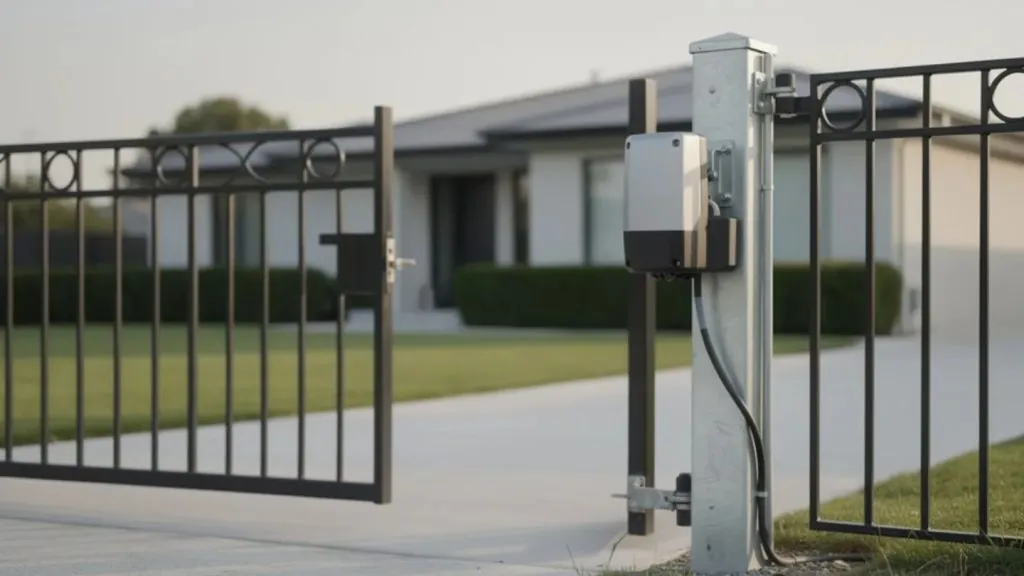
This section outlines practical, layered protection steps that work well in Georgia’s storm climate. The goal is not to make a gate “lightning proof”, which is impossible, but to dramatically reduce the likelihood of catastrophic surge damage and expensive downtime that disrupts your daily routine.
Key strategies include installing surge protection devices on power and signal lines, ensuring proper grounding, using shielded wiring for access control runs, and scheduling periodic professional inspections. These measures apply whether your site uses line-voltage operators, solar-powered operators with battery backup, or hybrid systems common on rural Georgia properties.
Install Surge Protection Devices on Power and Low-Voltage Lines
Surge protection devices (SPDs) work by diverting excess voltage from lightning-induced surges away from the gate operator’s circuit boards and sensitive electronics. Quality SPDs are rated to handle between 50,000 and 330,000 amps per phase, with a clamping voltage before they can damage circuit boards or relay boards.
Two critical SPD locations provide sufficient surge protection:
- At the main electrical service or subpanel feeding the gate, this catches utility-level surges before they reach your property
- At or inside the gate operator cabinet, this protects against surges that bypass panel-level protection
In Georgia, where buried low-voltage wiring can pick up surges acting like antennas, protecting not only AC power but also data lines is essential. This includes wiring for keypads, intercoms, telephone entry systems, and networked electronic access control devices.
SPDs prove most valuable during sudden power outages followed by quick restoration, brownouts during intense storms, or visible nearby strike activity. I recommend surge protection through professional installation by a qualified electrician or gate technician familiar with UL 325 compliant gate systems and local Georgia electrical codes. They’ll ensure SPDs are properly rated and connected to shield sensitive electronics effectively.
Ensure Robust Grounding for Gate Operators and Metal Components
Surge protectors and surge suppressors are only as effective as the grounding system they connect to. Poor or missing ground rods represent a common problem in older Georgia installations, rendering even quality SPDs unable to safely dissipate surge energy.
A professionally grounded system typically includes:
- Dedicated ground rods driven 8–10 feet near the gate operator
- Bonded metallic posts and fencing create a unified earth path
- Low-resistance connection back to the home’s electrical ground
- Ground resistance tested to under 25 ohms per National Electrical Code standards
Georgia’s clay soils present unique challenges. Grounding effectiveness varies with moisture content, and during dry periods, resistance can increase significantly. A professional can measure ground resistance and improve it if necessary, sometimes adding additional rods or using conductive compounds.
Avoid DIY grounding fixes using makeshift rods or random metal stakes. Improper grounding can violate electrical codes, void equipment warranties, and actually increase risk to equipment and people by creating unintended current paths. Include grounding checks in annual or biannual gate maintenance visits, especially following seasons with frequent lightning activity.
Use Shielded, Outdoor-Rated Wiring for Access Control Devices
Long cable runs to keypads, card readers, safety sensors, and intercoms pick up high induced voltages from close lightning strikes. During stormy conditions, these wires act as antennas, channeling voltage directly into your access control system components.
Shielded and twisted-pair cable rated for direct burial or conduit use significantly reduces this risk. The shielding must be correctly grounded, at one end only, to avoid ground loops that can cause their own problems. Upgrading from older, non-shielded doorbell-type wire to modern shielded cable reduces surge-related failures substantially in Georgia’s lightning-prone areas.
For retrofits, technicians often replace wiring in phases, starting with the longest and most exposed runs, such as driveway keypads and safety loops near the road. Proper conduit depth and intact junction boxes also contribute to better lightning protection and long-term performance of your gate system.
Schedule Regular Storm-Season Inspections and Maintenance
Georgia homeowners, HOA boards, and property managers should schedule regular system inspections at least once a year, ideally before peak storm season in late spring and again in late summer if the site sees heavy use. Regular maintenance catches problems before they cause complete system failure during a thunderstorm.
A thorough inspection should include:
- Testing surge protectors for continued functionality
- Verifying grounding resistance and connections
- Checking for subtle board damage or burnt components
- Inspecting wiring insulation for deterioration
- Confirming correct operation of safety devices and photo eye sensors
- Reviewing the gate operator manual settings against current performance
Some lightning-related failures develop slowly. Small damaged circuit boards may cause intermittent faults weeks after the original storm, leading property owners to suspect storm damage without realizing when it occurred. Keeping a maintenance log that records inspection dates, parts replacements, and major storms helps track patterns and supports warranty or insurance claims.
Georgia-Specific Risk Scenarios and Real-World Cost Impacts

Even when there’s no direct strike on your property, lightning anywhere along the local grid can send destructive surges into a gate system. Understanding real-world scenarios helps Georgia property owners appreciate why proactive protection matters.
Rural Georgia scenario: A 300–500-foot driveway gate off a county road in areas powered from the house through long wire runs. The extended cabling amplifies surge exposure, and many older installations lack any surge protection. After a lightning storm, the gate operator runs sluggishly for a few weeks, then stops entirely, the cumulative damage finally overwhelming the control modules.
Suburban community scenario: Neighborhood entrance gates in Metro Atlanta with multiple access control devices, keypads, RFID readers, and telephone entry systems. Each device represents a potential entry point for surges, and even a complete system failure at a community gate affects dozens of residents daily.
Repeat lightning events in a single season, common during Georgia’s summer storms, cause cumulative damage that shortens the operator’s lifespan even when the gate continues running temporarily. Many systems experience broken openers or erratic behavior for long periods before finally failing, by which time the repair bill has grown significantly.
Insurance, Documentation, and Working with Georgia Professionals
Treat your automatic gate as a major asset similar to HVAC or roofing. Understanding how it’s insured and maintaining proper documentation protects your investment when storm damage occurs.
Review your homeowners, farm, or commercial policy to confirm whether automatic gates and gate operators are covered for lightning damage and surge damage. Coverage details vary significantly between policies. Ask your insurance agent specific questions:
- Is the gate considered part of the dwelling, an “other structure,” or does it require a separate endorsement?
- What is the deductible for lightning-related claims?
- Are there coverage limits that might not fully cover a critical part replacement?
Maintain digital records, including:
- Original installation invoices and equipment model numbers
- Surge protection upgrade documentation
- Photos of the gate and control equipment in good condition
- Before-and-after pictures following any major storm
- Maintenance logs with service dates and work performed
Work with Georgia-based gate technicians and electricians who provide detailed service reports. A report stating the probable cause of failure, such as “lightning surge on July 3, 2025, affecting control board and relay boards”, supports insurance claims far better than generic repair invoices.
When to Repair, When to Upgrade, and How to Plan Ahead
After a major lightning or surge event, owners and HOAs must decide whether to repair specific components or upgrade the entire operator and access control system. Both options have merit depending on your situation.
Repair makes sense when:
- Damage is limited to one or two boards or components
- The operator is relatively new (under 7–8 years old)
- Surge protection and grounding are being upgraded simultaneously
- The gate system otherwise meets your current needs
Consider full upgrades when:
- The operator is older and showing wear beyond storm damage
- The system has had repeated lightning-related issues over multiple seasons
- Current equipment lacks modern safety and access features
- The gate operator manual indicates discontinued parts
Planning ahead before the next lightning season saves money over time. Budget for SPDs, grounding improvements, and potentially replacing outdated control panels with newer, surge-resistant models. Solar panels with battery backup systems offer partial grid independence, though they still require protection on control circuits.
Proactive planning usually costs less over five to ten years than repeatedly paying for emergency storm-related repairs during Georgia’s peak thunderstorm months. Keeping your property’s security equipment functional and secure year-round requires thinking beyond the current season.
Final Thoughts
Lightning-induced power surges are one of the most common causes of automatic gate failure across Georgia, especially during peak summer storm season. Even without a direct strike, surge energy can travel through utility lines, underground wiring, and metal fencing, damaging control boards, motors, and access systems. With proper surge protection devices, professional grounding, shielded wiring, and regular inspections, homeowners and HOAs can significantly reduce costly breakdowns and extend the lifespan of their gate systems.
At Georgia Gate & Fence, we help property owners plan smarter protection and reliable upgrades, including automatic gate installation in Cumming and surrounding areas. Whether you need surge-resistant system upgrades, expert diagnostics, or dependable gate repair, our team provides tailored solutions built for Georgia’s storm conditions. Learn more about our automatic gate services, including swing gates, sliding gates, and pool gates, designed for durability, safety, and long-term performance. Contact us now to schedule a consultation or service appointment.
Frequently asked questions
Unplugging may reduce some surge risk, but many Georgia gate operators are hardwired and can still receive induced surges through low-voltage wiring and metal fencing. Permanent surge protection and proper grounding provide far more reliable protection than manual disconnection.
Solar gates avoid utility power surges but remain vulnerable through metal posts, control wiring, and panel frames. Proper grounding and surge protection devices on control circuits and panels are essential, especially in open rural Georgia properties.
Most surge protection devices degrade over time and typically need replacement every three to five years. Severe nearby lightning can exhaust protection instantly. Annual inspections, especially after heavy Georgia storm seasons, help ensure devices remain functional.
Basic plug-in protectors are simple, but effective gate surge protection requires licensed electrical work. Improper grounding or wiring can violate code, void warranties, and increase hazards. Hire a Georgia-licensed electrician or experienced gate technician for safe installation.
Smart controllers add wiring and antennas that can carry surge energy into network equipment. Protect routers and switches with surge protection, limit long cable runs, and ensure proper grounding so smart gate systems operate reliably during Georgia’s frequent storms.