Choosing the right gate for your property is about more than appearance; it’s a decision that impacts security, privacy, convenience, and long-term property value. With so many styles, materials, and automation options available today, narrowing down the best fit can feel overwhelming. From driveway layout and slope to architectural style and maintenance expectations, every detail matters. This guide walks you through the essential factors to consider so you can confidently select a gate that enhances curb appeal while meeting your practical needs.
Understand What You Need from a Gate
Before browsing gate styles or comparing materials, take time to define exactly what you need your gate to accomplish. This foundational step shapes every decision that follows and prevents costly changes later in the process.
Property owners install gates for many reasons in 2024: deterring crime, keeping children and pets safely contained, blocking street views for privacy, managing vehicle access, and enhancing curb appeal. Your specific combination of priorities will guide you toward the best solution.
Consider these scenarios to see how needs differ dramatically:
- Urban home on a busy street: Privacy from pedestrian traffic, noise reduction properties, and quick automated access for daily commutes take priority. A solid sliding gate with integrated access control and smooth operation might be ideal.
- Rural property with a long driveway: Security at a distance from the home, solar power options, and durability against weather become key concerns. Heavy-duty swing gates with remote access could serve well.
- Suburban family home: Balancing curb appeal with child safety, convenient daily use, and neighborhood aesthetic standards matters most.
Rank your priorities: security, privacy, style, budget, and convenience, to create a clear framework for evaluating options. Once your needs are clear, narrowing down gate types becomes much more straightforward.
Security and Privacy Priorities
Security concerns have risen significantly in many areas since around 2020, making protection a leading reason to install a new gate. Understanding the spectrum of security options helps you invest appropriately for your situation.
High-security gates tend to be taller (around 6 ft or more), feature solid construction or minimal gaps, and use strong materials like steel or wrought iron gates. These gates create a physical barrier that deters casual intrusion and makes unauthorized access significantly more difficult.
Privacy gates feature solid infill, wood panels, composite boards, or metal sheets that block sightlines from the street or neighbors. This creates a warm and welcoming entrance that’s also a private sanctuary.
Enhanced security features to consider include:
- Deadbolts and magnetic locks
- Electronic strikes with access codes
- Integrated cameras at gate columns
- Video intercoms for visitor verification
- Automated locking systems that engage after closing
The difference between a decorative low garden gate and a solid automated driveway gate illustrates this spectrum clearly. A 3-foot ornamental metal gate provides aesthetic definition without serious security, while a 6-foot steel gate with access control required for entry offers substantial protection and privacy.
Design and Curb Appeal Goals
Your gate serves as the “front handshake” of your property, heavily influencing first impressions and resale value. A visually appealing entrance creates an immediate positive impression that extends to the entire property.
Matching your gate to your property’s architectural style ensures visual harmony:
| Architectural Style | Recommended Gate Design |
| Modern minimalist | Clean horizontal slats, sleek aluminum frames |
| 1920s bungalow | Classic ornamental metal gates with simple curves |
| Farmhouse | Vertical wood boards, rustic hardware |
| Mediterranean villa | Ornate wrought iron with scrollwork details |
| Contemporary | Geometric patterns, mixed materials |
Decide whether you want your gate to blend discreetly with existing fencing or stand out as a statement piece. Both approaches can enhance property value when executed thoughtfully. Exploring traditional gate styles alongside unveiling modern gate styles helps you find the aesthetic that resonates with your vision.
Measure Your Space and Choose a Gate Style
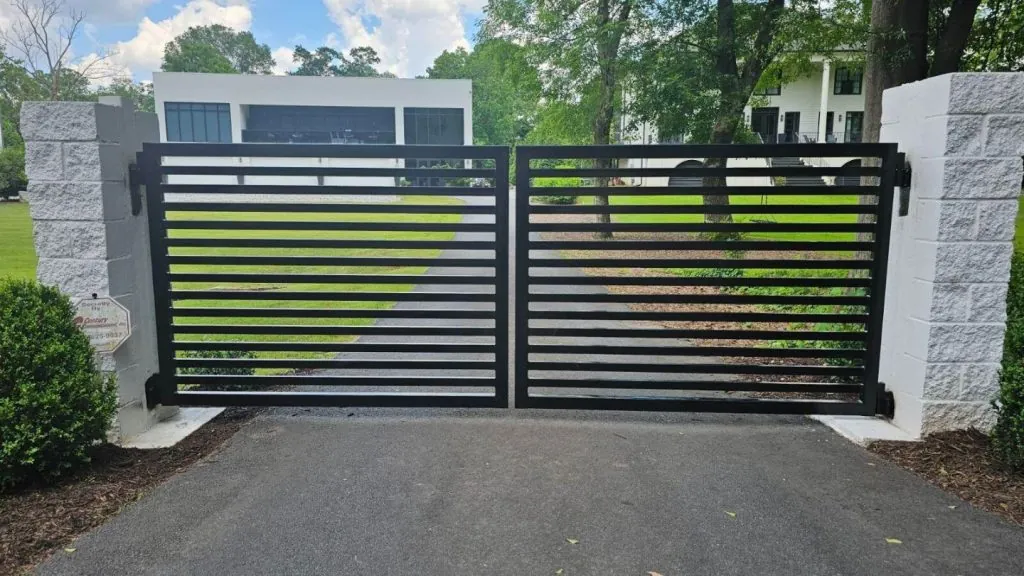
Driveway width, slope, and available space often dictate whether swing, sliding, or bi-fold gates work best for your situation. Getting accurate measurements prevents expensive mistakes and ensures your chosen gate operates smoothly.
Most residential driveways in the U.S. fall between 10 and 16 feet wide. Take measurements at multiple points along the driveway entrance to account for any variations, and note any posts, columns, or landscaping that might affect installation.
Before finalizing your choice, check local regulations and HOA rules that may limit gate height or style at the street. Also consider vehicle clearance, turning radius for large SUVs, work vans, and trailers, which can affect which gate style works for your property.
Swing Gates
Traditional swing gates open like doors, either inward or outward, representing the most classic and widely recognized gate style. They offer a warm and inviting aesthetic that suits many property types.
Swing gates work best on flat or gently sloping driveways with enough room for the leaves to swing clear of parked cars and the street. A typical double-leaf swing gate measures 12–14 ft total width for a standard residential driveway, with each leaf requiring clearance equal to half that width.
Pros of swing gates:
- Traditional look that complements many architectural styles
- Simpler mechanisms with fewer moving parts
- Easier manual operation when needed
- Generally lower installation cost compared to sliding systems
Cons of swing gates:
- Require a significant clear swing space
- Problematic on steep slopes without special modifications
- Can be affected by snow accumulation or debris in the swing path
Many municipalities require gates near sidewalks to swing inward for safety, preventing them from opening toward traffic or pedestrians.
Sliding Gates
Sliding gates operate horizontally along a track or cantilever system, making sliding gates suitable for tight driveways and sloped properties where swing gates aren’t practical. This modern gate style offers a space-saving entrance solution for challenging installations.
Sliding gates need sufficient fence line space to the side, equal to at least the gate width. For example, a 14-ft gate requires around 14 ft of clear runback along the fence line.
Track vs. Cantilever Designs:
- Track systems: The gate rolls on wheels along a ground-level track, providing smooth and efficient movement. Best for flat, clean surfaces.
- Cantilever systems: The gate “floats” using counterbalance mechanisms with no ground track required. Ideal for areas with debris, snow, or uneven ground.
Benefits of sliding gates include excellent performance for short driveways, narrow streets, and properties with limited space where cars park close to the gate line. They’re also less affected by slope issues that trouble swing gates. Trade-offs include the need for a solid foundation for track systems and more complex hardware that benefits from professional installation to ensure smooth operation.
Bi-Fold and Specialty Gates
Bi-folding gates feature panels that fold in on themselves, saving space and opening faster than traditional swing gates. The complex folding mechanism, with suitable properties and tight constraints, makes them increasingly popular in urban settings.
Ideal use cases for bi-fold gates:
- Small urban driveways with minimal setback
- Short distances from the street to the parking area
- Properties with tight turning radii
- Situations requiring quick opening and closing
Other specialty styles include telescopic sliding gates (multiple panels that stack behind each other) and vertical-lift gates for compact or high-security settings.
Pros:
- Space-saving design maximizes usable driveway
- Quicker opening cycle than swing gates
- Contemporary look with panel configurations and automation options
Cons:
- More hinges and joints requiring maintenance
- Higher installation cost compared to standard gates
- Higher hardware and mechanical complexity
Specialty systems are almost always automated rather than purely manual due to their weight and complexity.
Select the Best Material for Your Climate and Lifestyle
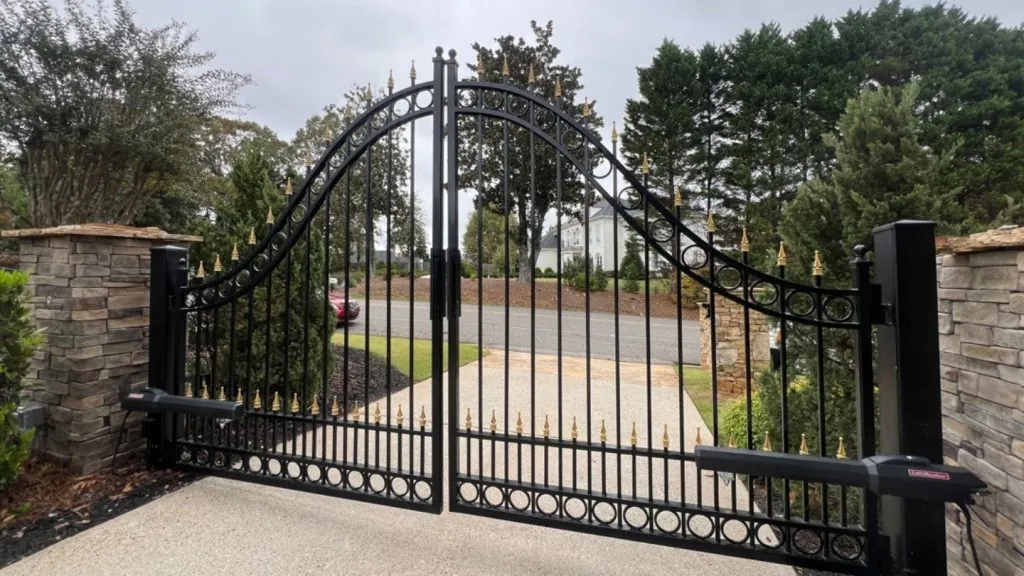
Material choice affects durability, upkeep requirements, cost, and how well your gate withstands local weather conditions. Whether you’re dealing with coastal humidity, harsh winters, or intense summer sun, the right material makes a significant difference in long-term performance.
Consider your environment carefully: coastal regions demand corrosion resistance, snowy climates require materials that won’t crack in cold, and desert areas need UV-resistant finishes. Your lifestyle, particularly how much maintenance you’re willing to perform, also guides this decision.
Wood Gates
Wooden gates offer natural warmth and timeless charm wooden gates bring to any property entrance. They remain popular for privacy and decorative driveway gate applications, creating that warm and welcoming entrance many homeowners desire.
Common wood species for gates:
- Cedar: Naturally rot and insect resistant, weathers to silver-gray
- Redwood: Premium durability with beautiful grain patterns
- Pressure-treated pine: Economical option with chemical protection
Maintenance expectations include sealing or staining roughly every 2–4 years, with more frequent attention needed in harsh climates or areas with strong sun exposure. Properly maintained suitable properties can enjoy wooden gates for decades.
Wood can warp or swell if not properly built and maintained, particularly on wide single-leaf gates. Combining wood panels with steel frames reduces sagging on larger driveway openings, a technique that’s become standard for gates built after about 2010.
Steel and Wrought Iron Gates
Steel gates and wrought iron gates represent heavy, strong options ideal for security-focused installations and high-end residential properties. Their ability to support ornate scrollwork and decorative features, with exceptional durability, makes them popular for luxury homes.
Advantages:
- Exceptional strength and longevity
- Support for intricate ornamental designs
- Classic aesthetic for historic or formal properties
- Visually striking entrance solution for upscale homes
Regular anti-rust maintenance is necessary: priming and repainting exposed areas every few years, especially in humid or coastal climates. Many modern “wrought iron” gates are actually fabricated steel designed to mimic traditional wrought iron at a lower cost.
Powder-coated finishes provide protective coatings with suitable properties for added corrosion protection and color variety, reducing maintenance frequency while maintaining appearance.
Aluminum Gates
Aluminum provides a lightweight, corrosion-resistant option requiring minimal maintenance, ideal for the 2020s new builds seeking modern aesthetics with practical benefits.
Unlike steel, aluminum won’t rust, making it excellent for coastal properties or areas with frequent rain. Well-built aluminum gates can still provide substantial security when combined with quality locks and properly anchored posts.
Powder-coated aluminum systems can mimic the look of wrought iron or provide sleek minimalist lines in black, bronze, or custom colors. This versatility makes aluminum popular across property styles.
The lighter weight also places less strain on automation motors and hinges, potentially extending equipment life and reducing long-term maintenance costs.
Vinyl and Composite Gates
Vinyl gates appeal to property owners wanting very low maintenance and clean, uniform finishes. They’re a technologically advanced entrance solution for those prioritizing convenience.
Vinyl characteristics:
- Resists rot, insects, and moisture
- Can crack in extreme cold
- May fade or become brittle after decades of UV exposure
- Best for solid privacy gates where intricate detailing is less important
Composite (wood-plastic) boards offer a higher upfront cost but provide more weight and a more “wood-like” appearance than hollow vinyl panels, a sophisticated entrance solution cons considered against cost.
Structural framing for vinyl gates is often still metal, with vinyl or composite infill panels providing the finished look that enhances property access and appearance.
Plan for Security and Access Control
Gates should improve security and access control, not just look attractive. Modern technology makes access control more convenient than ever, but planning ahead is essential.
Planning wiring, power, and conduit for locks, cameras, and keypads during initial installation is far easier and less expensive than retrofitting later. Think about your security needs now, even if you plan to add features gradually.
Typical 2024 setups include keypad plus intercom systems on suburban driveways, or smartphone control with integrated cameras for remote monitoring on commercial property and residential properties alike. Local safety codes may require certain devices on automated gates, including photo eyes and auto-reverse sensors, to prevent malfunctions, which depend on.
Locks, Latches, and Hardware
Quality hardware forms the foundation of gate security and long-term smooth operation. Choosing the right components prevents both security failures and frustrating mechanical problems.
Basic latch types for pedestrian gates:
- Gravity latches: Self-closing, moderate security
- Thumb latches: Decorative, easy one-handed operation
- Slide bolts: Simple security for interior-facing gates
Higher-security options for main access gates:
- Deadbolts providing positive locking
- Magnetic locks for integrated electronic control
- Coded mechanical locks for keyless entry
Heavy-duty hinges, proper post sizing, and correct anchoring into concrete footings resist both sagging over time and forced entry attempts. Choose corrosion-resistant hardware (galvanized or stainless steel) to prevent failures in track suitable properties and all weather conditions.
Electronic Access and Smart Features
Smart home integration has transformed gate access, with 2020s gates increasingly connecting to Wi-Fi, apps, and whole-home security systems for effortless access control.
Common access components:
- Keypads with programmable codes
- RFID card readers for residents
- Remote controls for vehicles
- Bluetooth/NFC phone access
- Video intercom systems
Homeowners can receive notifications and monitor visitors through smartphone apps when packages or guests arrive, and advanced access control properties now expect.
Basic safety features include auto-close timers, obstacle detection, and manual release mechanisms for power outages or emergencies. All outdoor electronics require weather-rated enclosures and professional installation of low-voltage wiring.
Think About Automation, Maintenance, and Budget
Automation systems and operating equipment affect both upfront cost and long-term convenience. Understanding these factors helps you budget realistically and avoid surprises.
Manual gates remain suitable for short, lightweight pedestrian gates, but most larger driveway gates installed in 2024 are automated for convenience and security. The closing enhanced security features of automated gates provide peace of mind that manual gates cannot match.
Cost breakdown considerations:
- Gate leaf or panel materials
- Posts and columns
- Hardware and locks
- Automation kit and motors
- Access control devices
- Installation labor
Ongoing costs include occasional servicing of motors, repainting or resealing materials, and potential part replacements over 10–15 years. Setting a realistic budget early helps avoid scope creep during the project.
Rough budget ranges for residential driveway gates:
- Basic manual swing gate: Lower investment, simpler installation
- Mid-range automated swing or sliding gate: Moderate investment with full functionality
- Premium automated gate with full access control: Higher investment for complete convenience and security
Automation Types and Power Options
Different gate styles require different operators and power configurations, affecting both performance and installation complexity.
Swing gate openers:
- Linear arm operators: Mount to posts and push/pull the gate leaf, visible but economical
- Underground operators: Hidden below ground level for cleaner aesthetics, higher cost
Sliding gate motors use rack-and-pinion drive systems, engaging a toothed rack attached to the gate bottom. These require either a solid track or a cantilever structure for noise reduction properties and smooth operation.
Solar-powered gate openers serve rural or long driveways where running electrical lines is expensive. These require adequate sun exposure and battery backup for cloudy periods.
All automation must comply with safety standards, including photocells to detect obstacles, safety edges on gate leaves, and emergency release systems for manual operation.
Maintenance Expectations by Material
Choosing a gate means choosing a maintenance routine for the next decade or more. Understanding these requirements helps you select a material matching your lifestyle.
| Material | Maintenance Requirements |
| Wood | Seal or paint every 2–4 years, inspect for rot/insects |
| Steel/Iron | Rust checks and coating touch-ups every 2–3 years |
| Aluminum | Periodic cleaning, minimal other maintenance |
| Vinyl | Occasional cleaning, inspect for cracks |
Plan on a visual inspection each spring and fall, with a deeper maintenance session every 2–3 years. Moving parts, hinges, rollers, and motor arms need occasional lubrication and adjustment for smooth and efficient movement.
Budgeting a small annual amount for maintenance extends gate life and prevents expensive repairs, protecting your investment over time.
Final Thoughts
Selecting the right gate requires balancing security needs, privacy goals, driveway layout, architectural style, automation preferences, and long-term maintenance expectations. From swing and sliding gates to bi-fold systems in wood, steel, aluminum, or vinyl, every decision affects performance and curb appeal. Measuring your space accurately, planning for access control, and understanding material durability ensure your investment delivers convenience, protection, and lasting value. With thoughtful planning, your gate becomes both a functional security feature and a defining design element for your property.
For expert guidance and professional installation, trust Georgia Gate & Fence, a leading gate supplier for contractors in Cumming and homeowners alike. Whether you need durable commercial gates or custom-designed residential gates, our team delivers quality craftsmanship, automation solutions, and reliable service tailored to your property’s needs. Contact us to discuss your project and create an entrance that combines security, performance, and standout curb appeal.
Frequently asked questions
Many municipalities require permits for driveway gates, especially near public roads or above certain heights. HOAs may also require approval. Automated gates often need separate electrical permits. Always verify local requirements before installation to avoid fines or delays.
Small manual gates may be manageable for experienced DIYers, but driveway and automated gates require precise alignment, structural support, and electrical work. Professional installation reduces safety risks, prevents premature wear, and typically includes warranties and code compliance assurance.
Most custom residential gate projects take 4–10 weeks from approval to installation. Timelines include design, fabrication, permitting, and site work. Complex automation, masonry columns, or peak-season scheduling can extend completion dates beyond standard estimates.
Residential driveway gates typically range from 4 to 6 feet tall. Four feet offers decorative appeal, while six feet improves privacy and security. Local codes and HOA restrictions may limit height, so confirm regulations before finalizing your design.
Select simple, classic designs and neutral finishes that complement your home’s architecture. Avoid overly trendy patterns. Timeless styles, durable materials, and upgradeable hardware help ensure your gate remains attractive and functional for decades.